

At the beginning of 2026, global new material research and development is undergoing a paradigm revolution from "manual trial and error in the laboratory" to "AI autonomous discovery".
Scientific breakthrough: Shortening from "4 months" to "4 hours"
In January this year, the Shenzhen Advanced Technology Research Institute of the Chinese Academy of Sciences demonstrated an achievement that shocked the industry. A virtual team consisting of 19 "AI scientists" completed a new material research and development task that would take four months under traditional processes in just four hours through division of labor, collaboration, and independent experimentation. This progress marks the transition of multi-agent systems from the digital world to the physical world, possessing the ability to solve complex interdisciplinary research problems.
European and American trend: Google Gemini deeply integrated fully automated laboratory
Across the ocean, Google DeepMind announced the launch of the world's first fully automated laboratory in the UK that is deeply integrated with the multimodal AI "Gemini". The laboratory uses robots to synthesize and test hundreds of material samples every day, focusing on efficient solar cells, next-generation semiconductor components, and long-life battery materials, aiming to significantly shorten the cycle from theoretical discovery to industrial application.
Key areas: Performance leap of biomedical and high-end structural materials
The intervention of AI is precisely solving the bottleneck problems in different industries:
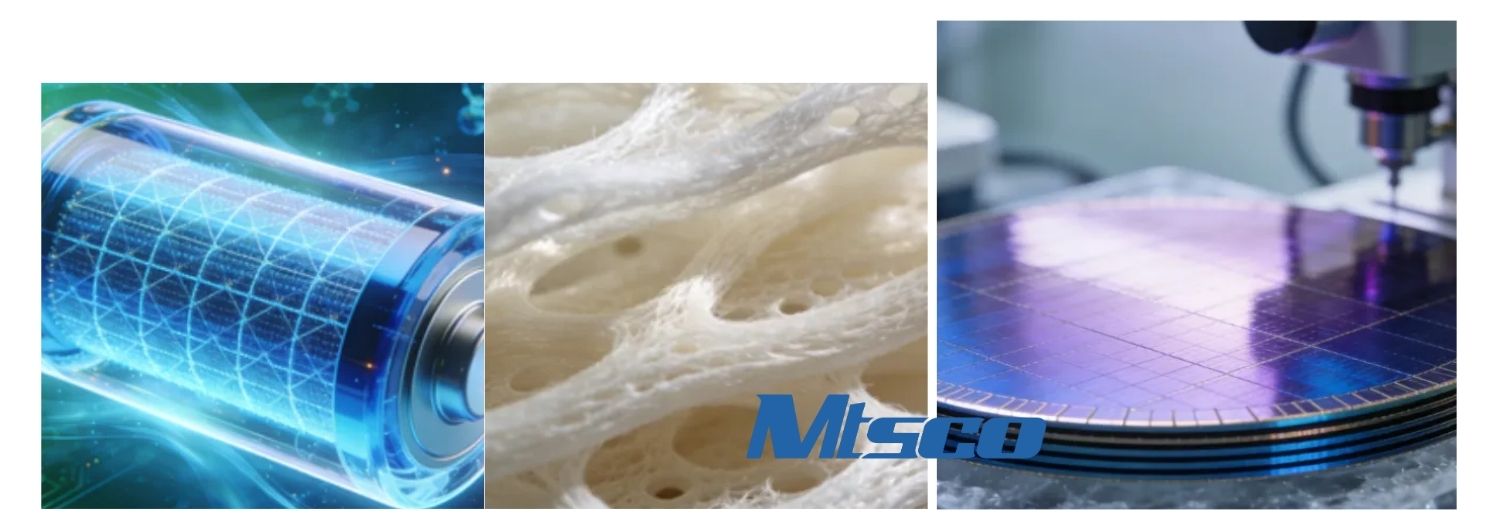
- Personalized design of biomedical materials: AI brings research and development into the era of "tailor-made". By analyzing massive amounts of biocompatibility data, the model can predict the long-term behavior of implants in vivo. For example, AI can design artificial bones with degradation rates that perfectly match the growth of new bone, or intelligent nanocarriers that accurately release drugs based on the tumor microenvironment.
- Breakthrough in the performance of high-end structural materials: In the fields of aviation engines and deep space exploration, AI establishes complex models of "process parameters microstructure macroscopic properties" to guide production processes in reverse. In the research and development of new titanium aluminum alloys, AI has successfully increased their service temperature by more than 50 ° C, providing key support for the new generation of power systems.
Global Landscape and Industry Collaboration
At present, there is a competitive situation among the three core camps of China, the United States, and Europe worldwide. The United States relies on the foundation models of giants such as DeepMind to build ecological hegemony, while China relies on a complete industrial system and the national plan of "material genetic engineering" to achieve rapid iteration.
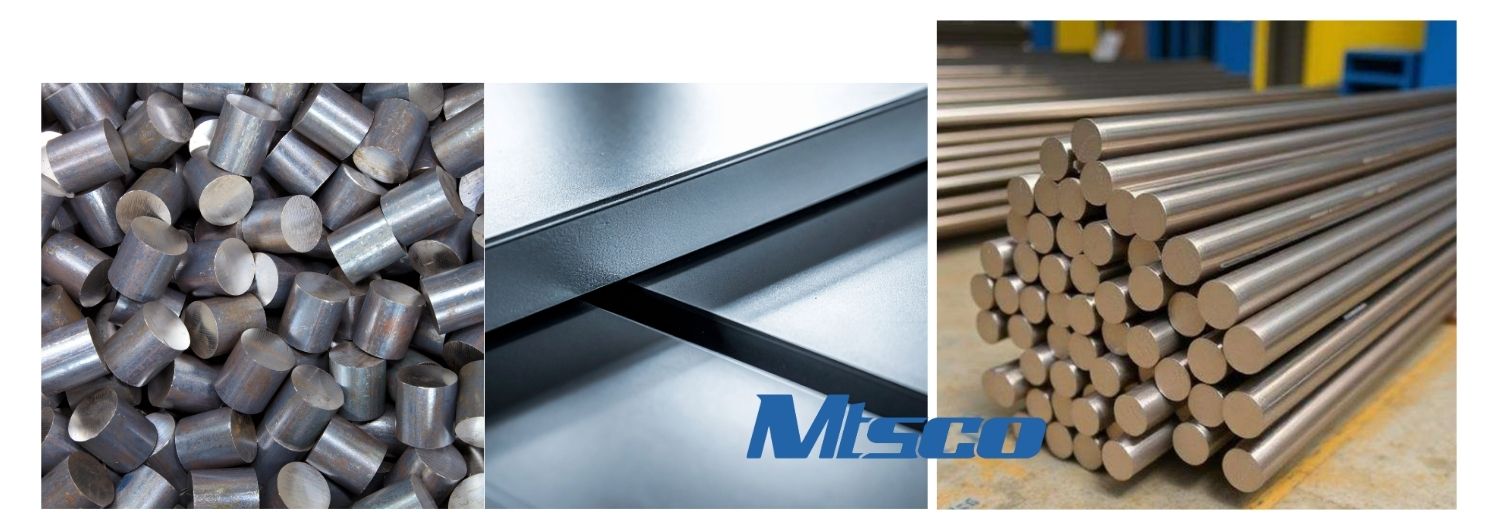
In this intellectual revolution, the trend towards digitalization of high-end industrial materials is unstoppable. As an industrial metal service provider, MTSCO is also actively integrating into this trend. We ensure that these cutting-edge material technologies can be transformed into stable pipeline system solutions through the Factory Complex model and digital quality inspection system, providing SAFE (Service, Leadership, Focus, Efficiency) supply chain assurance for the global energy and chemical industries.