
Produit chaud

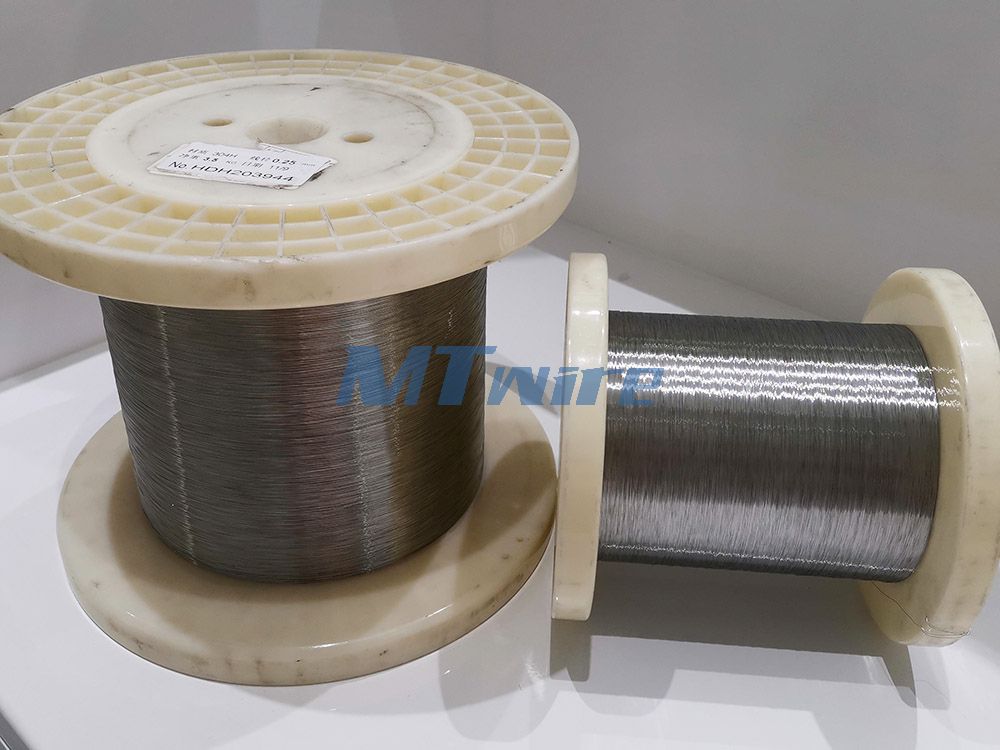
ASTM B574 Nickel Alloy C22 / UNS N06022 avec une surface recuite brillante pour les outils de trou descendants

Brève description:

Nickel Alloy C-22 is a versatile Ni-Cr-Mo-W alloy with better comprehensive corrosion resistance performance than other Ni-Cr-Mo alloys, including Alloy C-276, Alloy C-4 and Alloy 625. Alloy C-22 has outstanding resistance to pitting, crevice corrosion and stress corrosion cracking. It has excellent resistance to oxidizing aqueous media including wet chlorine and mixtures containing nitric acid or oxidizing acids with chloride ions.


Détail du produit

Tags de produit

Note

Alloy 625 /N06625 , Alloy 600 /N06600, Alloy 601 /N06601, Alloy 718 /N07718, Alloy C276 /N10276, Alloy 800 /N08800, Alloy 825 /N08825, Alloy 400 /N04400,etc

Norme

ASTM B166; ASTM B446; ASTM B670; ASTM B335;ASTM B637; ASTM B574; ASTM B408; ASTM B425 , etc

Brillant / recuit mariné

Technologie

Cold Drawing

CND

Test à ultrasons

Contrôle

100%

Emballage

Pallet/ Plywooden case/ Wooden Reel

Assurance qualité

ISO & PED


Nickel Alloy C22 Chemical composition

%

Ni

Cr

Mo

Fe

W

Co

C

Mn

Si

P

S

V

équilibre

20

12.5

2

2.5

maximum

22.5

14.5

6

3.5

2.5

0.015

0.5

0.08

0.02

0.02

0.35


Bar / canne

Fil

Diamètre extérieur

≥10 mm

2 mm - 5,5 mm

Lengouffer

≤12000 mm

-

Poids

-

≤ 350 kg

stainless steel wire (49)

Demandea) Échangeur de chaleur
b) condenseur
c) Industrie du transport maritime
d) Machinerie de précision
e) Industrie de la structure mécanique
f) Thermocouple et câble, etc.

Caractéristiques: Nickel Alloy C-22 is a versatile Ni-Cr-Mo-W alloy with better comprehensive corrosion resistance performance than other Ni-Cr-Mo alloys, including Alloy C-276, Alloy C-4 and Alloy 625. Alloy C-22 has outstanding resistance to pitting, crevice corrosion and stress corrosion cracking. It has excellent resistance to oxidizing aqueous media including wet chlorine and mixtures containing nitric acid or oxidizing acids with chloride ions. It also offers optimum resistance to environments where reducing and oxidizing conditions are encountered in process streams. So it can be used where “upset” conditions are likely to occur or in multi-purpose plants.


  • Précédent:
  • Suivant:


  • Précédent:
  • Suivant:
  • HAUT